
Precision Digging Around Utility Infrastructure
Excavation in Lebanon for utility line installations, culvert placements, or site work requiring clearance near existing power and water lines
Utility line excavation across the Lebanon to Wise, Abingdon, and Marion area requires operators trained in clearance awareness, a critical safety requirement where power lines, water mains, and gas lines run through properties with incomplete or outdated utility maps. The Bobcat E55 handles precision digging that exposes utility corridors without damaging infrastructure, a process that prevents service outages, repair costs, and safety hazards during site development or repair projects. Luke's Land Management operates across a 40-plus-mile service radius with equipment and utility awareness training suited for Appalachian terrain where rocky subsurface and steep slopes complicate excavation access.
Excavation involves locating existing utilities before digging begins, using hand tools or vacuum excavation near known line locations, and coordinating trench depths with utility installation requirements or culvert specifications. Culvert placement includes excavating the trench to designed slope and depth, bedding the culvert in compacted gravel, and backfilling with material that prevents settling under road or driveway loads. Rocky Appalachian subsurface often requires equipment with hydraulic breakers or strategic trench routing to avoid bedrock layers that block standard excavation.
Request a site evaluation to review utility locations and determine excavation scope for your project.
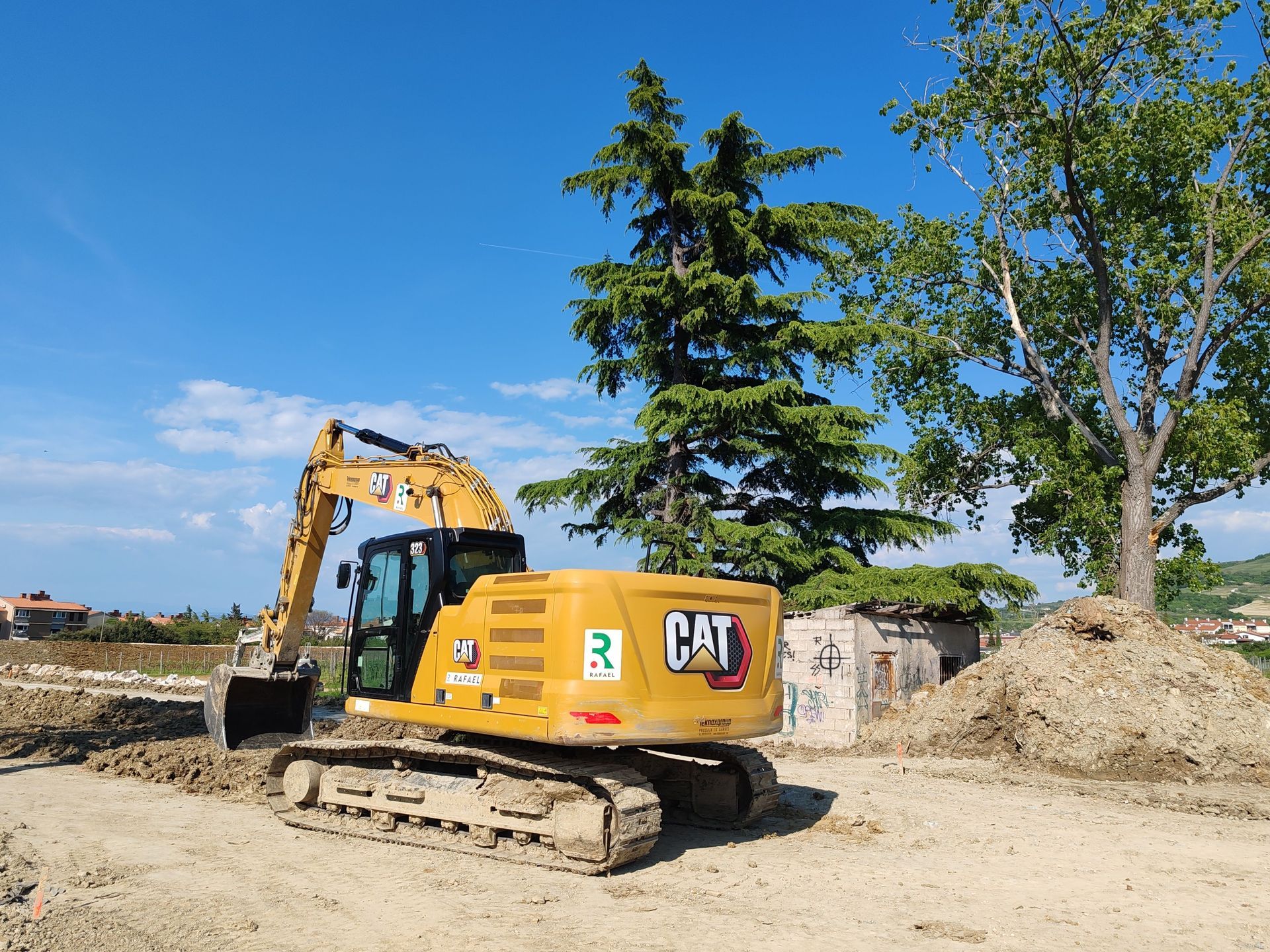
What You Notice Once Excavation Is Finished
Excavation creates trenches at specified depths and slopes for utility line installation, culvert placement, or drainage system routing, with compacted backfill that prevents settling under traffic loads or seasonal freeze-thaw cycles. The process accounts for Appalachian terrain where hillside excavation requires shoring or slope angles that maintain trench stability during work and prevent collapse after backfill.
After excavation is complete, you see utility lines installed at proper depths with clearance from existing infrastructure, culverts placed at grades that direct water flow without ponding, and restored surface grades that match surrounding terrain. Compacted backfill prevents the sinking common when trenches are filled without proper compaction, a problem that creates dips in driveways or access roads after equipment traffic resumes. The work eliminates the risk of utility strikes that cause service outages or expensive emergency repairs during later construction phases.
Excavation integrates with site prep and septic installation when projects require coordinated digging for multiple systems, allowing for single mobilization and reduced overall project timelines. This approach prevents the need to re-excavate areas or damage newly installed systems during later site work.
Answers to Frequent Service Questions
Excavation planning depends on understanding utility conflicts and terrain limitations common across properties in the Lebanon and surrounding region.
What does utility awareness training involve?
Operators are trained to identify utility markers, use locating equipment to verify line positions, hand-dig near suspected utility corridors, and recognize warning signs of unmarked lines such as surface discoloration or vegetation patterns. This training prevents the utility strikes that cause service outages or safety hazards during excavation.
How does rocky subsurface affect excavation work?
Appalachian bedrock near the surface limits trench depth and requires hydraulic breakers or alternative routing to avoid layers that block standard excavation equipment. Rocky conditions increase excavation time and may require blasting for deep utility installations or large culvert placements.
Why does culvert placement require specific compaction?
Culverts under driveways or roads must be bedded in compacted gravel and backfilled with material that resists settling under traffic loads, preventing the sagging or collapse common when backfill compresses unevenly. Proper compaction maintains culvert alignment and prevents water flow disruption during rain events across the Marion and Wise County area.
What's included in typical excavation projects?
The work covers utility locating before digging, trench excavation to specified depths and slopes, material handling for excavated soil, culvert or pipe installation as needed, backfill placement, and surface restoration. Compaction is included to prevent settling under loads or during freeze-thaw cycles.
When should excavation be coordinated with other site work?
Excavation should align with utility installation schedules, culvert delivery timelines, and site prep grading to prevent delays or rework. Spring through fall provides stable ground conditions in this region, while winter excavation requires working around frozen soil that complicates digging and compaction.
Luke's Land Management handles excavation, utility line work, and culvert installation with owner-operator equipment and utility clearance training across the Lebanon, Abingdon, and Wise County area. Schedule a consultation to review your project requirements and coordinate excavation with related site work.