
Building Sites Leveled for Foundation Work
Grading & Site Prep in Lebanon for properties requiring septic system layouts, utility access, or stable building pads on sloped terrain
Appalachian slope management defines site prep work across Russell County, where frost-thaw cycles displace improperly compacted soil and create drainage problems that undermine foundations or septic systems. Luke's Land Management grades building sites and preps access routes using a Bobcat E55 for precision grading that integrates with septic layout and utility routing. The process accounts for seasonal ground movement common in the Lebanon and Wise area, where winter freeze cycles and spring thaw require compaction standards that prevent settling after construction begins.
Site prep involves removing topsoil from building pad areas, grading to designed elevations for drainage control, and compacting subgrade material to support foundations or septic system components. Material handling includes staging excavated soil for later use as fill or haul-off when unsuitable for structural support. Precision grading around utility routes prevents damage during later installation and maintains clearances required for power line or water line access.
Request a site consultation to review slope conditions and determine grading requirements for your building or septic project.
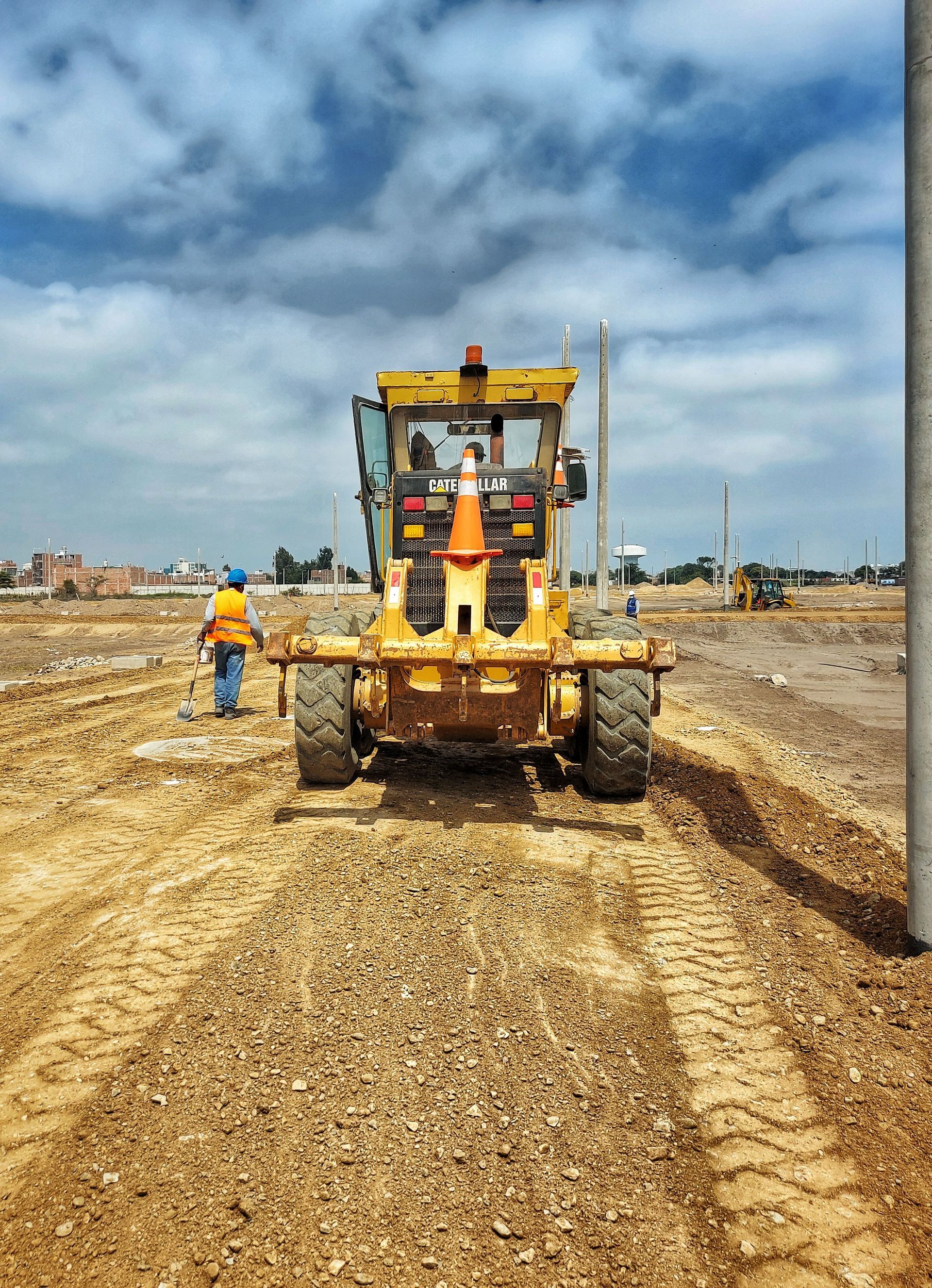
What Changes After Grading Is Finished
Grading creates defined elevations that direct water away from structures and prevent ponding near foundations or septic drain fields, a critical concern on properties across the Estherville and Marion area where hillside runoff concentrates during spring rains. The Bobcat E55 handles finish grading that establishes precise slopes for drainage while maintaining compaction levels that resist settling under structural loads.
After grading is complete, you notice level building pads ready for foundation work, access routes graded for equipment delivery, and drainage paths that direct runoff toward designated discharge points rather than pooling near structures. Compacted subgrade prevents the sinking or shifting common when fill material settles unevenly, a frequent problem on sites graded without accounting for frost-thaw cycles in this region. The prepared site allows septic installers, foundation contractors, and utility crews to work without additional earthwork delays.
Grading integrates with septic system installation when both services are scheduled together, allowing for coordinated excavation that reduces mobilization costs and prevents rework. The approach ensures septic drain field elevations match building pad grades and maintain required separation distances from structures and property lines.
Common Questions About This Service
Site prep decisions depend on understanding how Appalachian terrain and seasonal ground movement affect grading durability across the Lebanon region.
What does site prep include beyond grading?
The work covers clearing vegetation from building pad areas, removing topsoil and organic material that compresses under loads, establishing drainage slopes, compacting subgrade material, and staging excavated soil for later use. Utility route preparation is included when coordinated with septic or power line installation.
How do frost-thaw cycles affect grading work?
Freeze-thaw cycles in the Lebanon and Wise County area cause ground expansion and contraction that displaces poorly compacted soil, leading to settling under foundations or septic systems. Proper compaction and material selection during grading prevent this movement by creating stable subgrade that resists seasonal expansion.
Why does slope management matter for building sites?
Appalachian hillsides require cut-and-fill grading to create level pads, and improper slope angles cause erosion or drainage problems that undermine structures. Grading establishes slopes that direct water away from buildings while maintaining stability during rain events common in Russell County.
What's the difference between rough grading and finish grading?
Rough grading establishes general elevations and removes unsuitable material, while finish grading creates precise slopes for drainage and compacts surfaces to final elevations. Finish grading is required before foundation work or septic installation to ensure accurate component placement.
When should grading be scheduled relative to other site work?
Grading should be completed after land clearing but before foundation or septic installation, allowing for stable working surfaces and accurate elevation control. Spring and fall provide optimal conditions in this region when ground moisture levels support compaction without creating muddy conditions that delay equipment work.
Luke's Land Management operates as an owner-operator service with heavy equipment experience across Russell County, Estherville, and Marion, handling site prep that integrates with septic and excavation projects. Schedule an evaluation to review your property's grading requirements and coordinate related site work.