
Walls That Stop Erosion and Hold Grade
Retaining Walls in Lebanon for hillside properties where runoff and slope instability threaten structures
Hillside erosion in the Appalachian region cuts through landscaping, destabilizes slopes, and sends runoff directly toward foundations when no retaining structure controls the grade. Luke's Land Management builds retaining walls that hold soil in place, redirect water away from vulnerable areas, and create level usable spaces on sloped properties. The work involves excavation and grading for a stable wall base, material placement that accounts for soil pressure and drainage, and backfill with aggregate that prevents water buildup behind the wall. You end up with a structure that prevents further erosion and maintains its position through wet seasons and freeze-thaw cycles rather than leaning, cracking, or allowing soil to wash out from behind.
The process starts with precision excavation using a Bobcat E55 to establish a level, compacted base below the frost line. Wall material is selected for durability and interlocking strength, then placed with proper setback and batter to resist soil pressure from uphill areas. Drainage is built into the structure with weep holes, gravel backfill, and perforated pipe that channels water away from the wall rather than allowing hydrostatic pressure to build up and push the wall outward over time.
Schedule a site evaluation to identify erosion patterns and grading needs before wall installation.
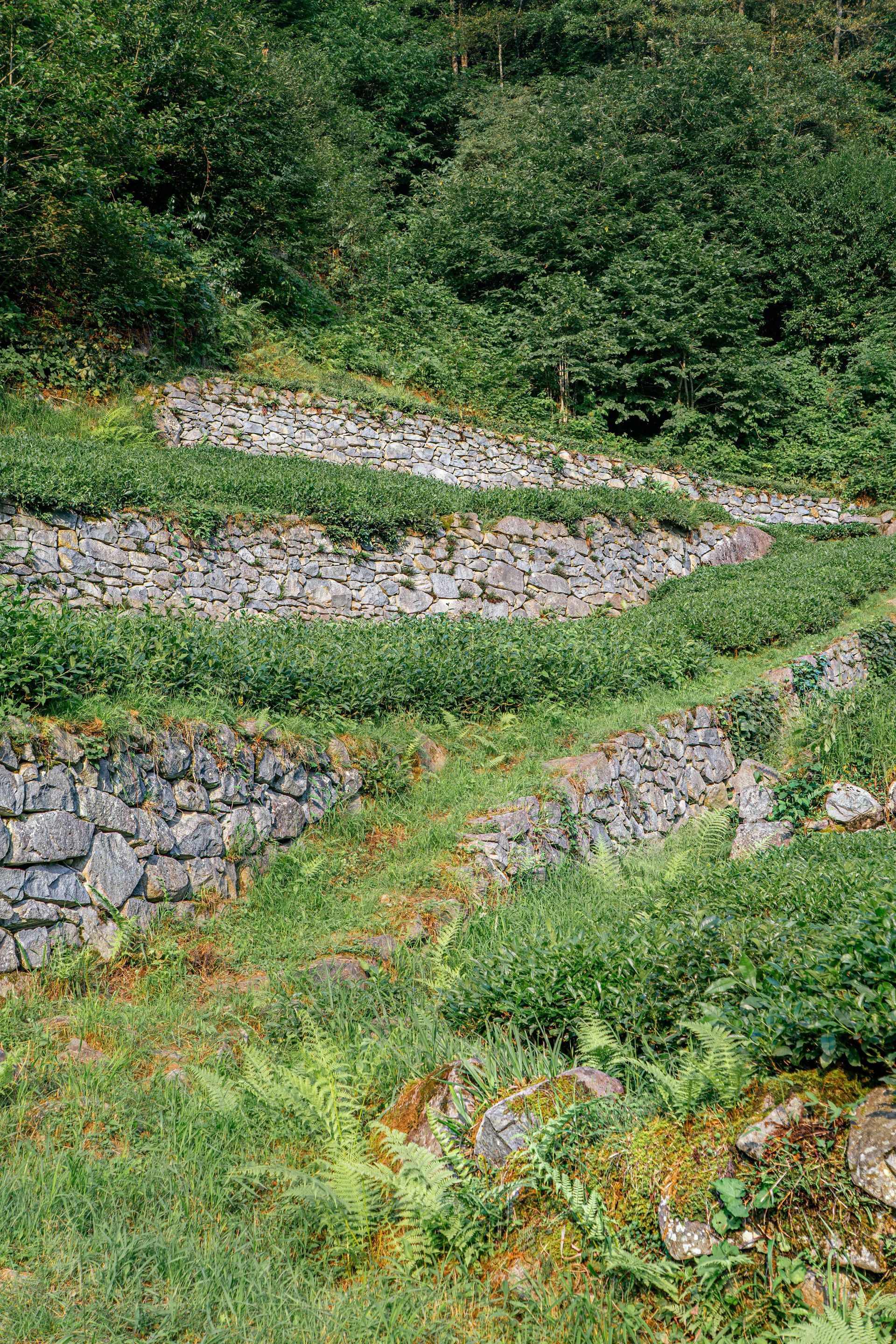
How Retaining Walls Address Slope Erosion
Construction begins with excavation to expose stable soil and create a level foundation trench. The base course is set on compacted gravel, and each subsequent course is placed with interlocking overlap that resists lateral movement. Backfill behind the wall uses clean aggregate that drains freely, preventing the water accumulation that causes walls to fail during heavy rain or spring thaw.
After the wall is complete, you see that slopes no longer shed soil during storms, runoff is redirected to controlled drainage paths instead of flowing toward your home, and the grade above the wall remains stable without slumping or developing erosion channels. The wall itself stays plumb and does not lean or crack as seasons change, because the drainage system prevents hydrostatic pressure and the base was set below frost penetration depth.
Retaining wall installation integrates with broader site grading, landscaping, and hardscape services when a property requires multiple elements to manage drainage and erosion. Wall height, material choice, and drainage design vary based on soil type, slope angle, and the volume of water the site handles during peak runoff events.
Answers to Frequent Retaining Wall Questions
Property owners facing slope instability and erosion typically ask about the construction process, material durability, and what prevents the common failure patterns seen in older retaining walls throughout the region.
What causes retaining walls to lean or crack after a few years?
Walls fail when drainage is inadequate and water pressure builds up behind the structure, or when the base was not excavated deep enough to resist frost heaving and soil movement during freeze-thaw cycles.
How is drainage handled behind a retaining wall?
A layer of clean gravel backfill allows water to drain downward rather than accumulating behind the wall, and perforated pipe at the base collects and redirects that water away from the structure to prevent hydrostatic pressure buildup.
What changes after a retaining wall is installed on a sloped property in Lebanon?
The slope stops shedding soil during rainstorms, runoff is channeled to designated drainage paths instead of eroding landscaping or pooling near foundations, and the uphill grade remains stable without developing washout channels or slumping areas.
How deep does the base of a retaining wall need to go?
Base depth depends on wall height and soil conditions, but in most cases the foundation trench extends below the frost line and is filled with compacted gravel to prevent movement when ground freezes and expands.
Can a retaining wall be integrated with other hardscape or landscaping work?
Wall installation often coordinates with grading corrections, paver patios, or drainage systems as part of a larger site plan, since all those elements work together to manage water movement and stabilize slopes on mountain properties.
Luke's Land Management builds retaining walls for properties in Lebanon, Marion, and Abingdon where hillside erosion and slope instability require structural intervention and drainage planning. Request an on-site assessment to evaluate your property's grading and erosion control needs.